Wednesday, 22 May 2013

Road Trip Tips - How to Make it About the Journey, Not The Destination


                As the weather begins to warm we start thinking of all the possibilities of summer: gardening, camping, lazy days at the lake, picnics in the park, and heading out of town on a good ole’ road trip. Sometimes road trips are required just because they are a more affordable way to travel, and sometimes they are a way to enjoy the country side and create some wonderful family memories (though they don’t often seem too wonderful at the time.) Travelling with others in a vehicle for hours on end bonds people together like nothing else can. Whether you are planning a week long cross country adventure or simply a quick day trip here are some tips to help make your Journey a more comfortable one.

1.       Pick and plan your destination

First figure out where you want to go. Once you have a destination, plan what kind of trip you want to have, are you planning to get there as soon as possible and spend most of your time at your end point? Or is the enjoyment meant to be the trip itself? Either way, you need to know how far away you are going and how much time it takes to get there. There are a lot of different tools that can help: Google maps is a great tool and can give you directions, distance, and estimated driving time: https://maps.google.ca/ . You could also plot your trip on a GPS for play by play directions. There are also a lot of apps that can be downloaded to your smart phone to help you on your way. And last but not least, you can get a good old fashioned map. I recommend that you have a map regardless of any electronic devices you may have, just in case they fail. Take the time to study the map before you leave and highlight the route you plan to take. If there are any points of interest you want to stop at mark them on the map too. It’s also a good idea to bring a spare map just in case it gets wrecked or lost.


2.        Preparing your vehicle

Take the time to get your wheels all spiffed up before you go. You will want to make sure the interior is clean and tidy. If you are going to spend hour upon hour sitting in your car you don’t want to be sitting in a mess. Get rid of any garbage and give the interior a good vacuuming, also wipe down the dash and clean the inside of the windows. It’s a good idea to give the exterior a good wash too, make sure the windows and headlights/taillights are clean.

Do a vehicle pre – trip check. Have your vehicle serviced and checked over before you hit the road. There is nothing worse than being stuck on the side of the road; making sure things are in tip top shape can help you avoid this. Have an oil change done before you go if needed, make sure all fluids are topped up, have tires checked, make sure lights are in working order. As always, make sure you have a spare tire and jack on board and ensure they are in good condition.

3.       Think about who is travelling with you

Who are your travelling companions? Are you travelling with buddies or loading up the family: kids, pets, mother-in-law and all? Planning to suite your fellow passengers will help make the trip more comfortable for everyone involved.  Make sure to have entertainment to keep people busy, if you are travelling with kids have books, games, movies, and activities on hand. You shouldn’t have to worry about other adults; they can take care of themselves but if you know of games or books others might enjoy it will help make the trip that much better. Make sure you have yourself prepared with your own form of entertainment. Music is always a good idea for trips, I can’t tell you how many songs I hear that take me back to family trips together. Create a play list for the road, again keep in mind who is joining you, you may have to mindful of the fact that your mother-in-law is not a fan of death metal.

4.       What to pack

There are several things to consider when packing things to create an enjoyable road trip. You need to think about what is going to be essential to our immediate needs while travelling. It’s a good idea to pack each family member their own bag that can be placed close by them for easy reach. Kids can have their favorite toys and activities at hand so they can keep themselves occupied. Have a pillow and blanket for each person so they can keep comfortable and nap if they choose. A bag filled with essentials is a good idea to have ready with snacks, gum, hand sanitizer, wipes, tissue, paper towel and anything else that might come in handy. Keep a garbage bag for wrappers to clean as you go and keep things tidy, you can even give each person their own small bag to keep beside them.  A bucket should be available in the event of car sickness. I like to use a bucket for a garbage can, just line it with a plastic bag and in the event of car sickness you just pull the bag out and hand over the bucket – double duty. In case of unplanned bathroom breaks you might want to consider having a roll of toilet paper.

5.       Money saving tips

Road trips can be expensive if you don’t keep expenses under control. You can save money by doing a little prep work. Eating on the road adds up fast, between gas station snacks and fast food meals you can easily over spend. Save money by buying snacks ahead of time from a grocery store, stock up on your favorite drinks, chips, and candy before you leave town. Plus, grocery stores have healthy snack options that are not available in gas stations; you can choose water, fruits and vegetables instead of pop, chips and candy. You will all feel a lot better when you reach your destination if you eat healthy food along the way!  You can also pre-make lunches for additional money saving. Packing sandwiches, yogurts, salads and more can save not just money but also the stress of finding somewhere to stop when hunger strikes. The best thing about having meals on board is that you can either stop at a picnic spot or you can keep driving as everyone eats. There are a number of options for coolers that you can purchase to keep your food fresh, from inexpensive Styrofoam ones to the more expensive plug in models.

 
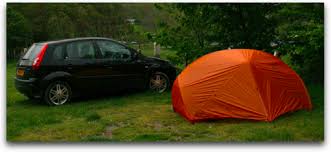
If your journey has you travelling overnight at all you can opt out of a hotel room and camp instead. This is a great way to save on lodging. When travelling you don’t often stay long overnight anyway, why not bring a tent and an air mattress to catch some winks. If you are travelling with kids this might be more exciting for them, make it an adventure.
Another way to save money on a road trip is to be conscious of gas savings. We already know how expensive gas is these days, why not stretch it out as much as possible? There are a few things you can do to help conserve your gas consumption. First, if possible, turn off your air conditioning. Your A/C uses a lot of gas, you can save a substantial amount by turning it off and opening a window instead. Next, use your cruise control if you have it. Going a consistent speed can cut down on your fuel costs as well. When you accelerate you burn fuel quickly causing you to have to fill up more often. And lastly, don’t speed. Speeding is not only dangerous it also uses up more fuel. This is another great reason to use your cruise control, you can set it for the speed limit to help you save money from fuel costs and speeding tickets.

6.       Other things to consider

Here are a few more things to help make that road trip a great one.

-          Every time you stop for gas or rest stop breaks, have everyone get out and stretch their legs. Sitting for long periods of time is not good for anyone, if possible let all vehicle passengers walk around and get some fresh air. This is also a good time to empty the garbage from the vehicle and rearrange everyone’s belongings so they are comfortable for the road ahead.

-          Be flexible with your schedule. If you are worried about getting to your destination by a specific time you end up stressing yourself out.     

-          Give extra time in case of road construction or accidents that can cause unexpected delays.

-          Be prepared for travelling though cities, you may be hitting a city during their rush hour which causes a lot of added wait time and also frustration.

-          Keep an eye on your fuel gauge, be mind full of how much gas is in the tank and how far the next available fill station is.

-          Plan to be comfortable, wear comfortable clothes and shoes. Be aware of the weather as you travel, you may want to wear layers if the weather changes as you drive.

-          Sign up for a roadside safety program, such as BCAA, and keep a roadside emergency kit on board.  


-          Make sure you tell someone where you are going and when you expect to arrive at your destination. Check in with them throughout your journey so they will be aware if anything happens.

Road trips can be an enjoyable way to travel if you take the time to prepare for the journey ahead. Once you are all prepared you can spend your time enjoying the company of your fellow passengers and take in the scenery along the way. 


Thursday, 25 April 2013

It’s Pothole Season! How to Avoid Damage


                Unfortunately, after waiting for what seems like eternity for the snow to melt, we are faced with the burden of potholes on our streets. Sometimes there are just one or two easily avoidable holes and other times it feels like we are navigating a spaceship through a meteor shower. The harsh winters here in the north show the wear and tear every spring. The cold weather along with snow removal, salt, and heavy loads leaves its toll on our roads. Luckily, there are ways to help avoid damage that can be caused by potholes.

                Potholes do more than just damage our tires, many other parts of our vehicles are at risk for damage as well. The harsh roads can cause a number of other problems for our vehicles, some which are serious and costly. Some things to consider are rims, shock absorbers, suspension system, struts, and alignment. You want to try and minimize damage done as much as possible to protect the life of your investment as well as your pocketbook.  

                The best thing you can do is try to minimize damage all together. There is some simple vehicle maintenance that can help:

- Check your tire pressure regularly, you should try and keep it at the manufacturer’s recommendation. Tires with too little or too much air are more vulnerable to damage.

- Keep your windshield clean and repair any chips or cracks as soon as possible. Windshield obstructions make visibility poor, causing difficulty seeing problems on the road.

- Make sure your headlights are working and also clean. Potholes are even harder to spot in the dark, make sure you have every advantage while night driving.

- Keep a spare tire and tools on board to change a flat.  Make sure your spare is in good condition.

On top of vehicle maintenance there are some things you can do while driving that can also minimize hitting any craters on the roads. Firstly, be aware of your surroundings. Look ahead at the road and see if it you can spot any holes on your route. You can also keep an eye on the vehicles ahead of you, if they are swerving to avoid hitting potholes it can give you an indication of what is ahead. If you see a problem, slow down! The faster you hit a pothole the more damage your vehicle incurs. If you have to slow down make sure you do it before the hole, avoid sudden braking. When you break it transfers the weight of your vehicle to the front tires, resulting in more damage. Try not to swerve to avoid the holes, if your tire hits the pothole at an angle it can result in more damage to your tires, plus it can be dangerous for motorists in the other lane. Beware of puddles on the road, you can’t tell how deep they are and they could be hiding a deep jagged pothole.

If you hit a pothole try and assess if damage has been done. If you think your tire is flat or you have serious driving difficulties pull off to the side of the road as soon as you can.  Make sure you use your hazard lights, especially if you are in a high traffic area. You should get out and have a look to see what kind of damage your vehicle has sustained. Make sure you check rims for damage too, they may be bent. You may need to change your tire (check out our earlier blog "How to Change a Flat Tire)
or call for help. If there doesn’t seem to be any damage that needs attention right away you should still keep a close eye on how your vehicle handles after hitting a pothole. If your vehicle pulls to one side or your steering doesn’t seem straight then you should take it to be looked at as soon as possible, that can be an indication of front end damage.  

Hopefully, if you take the proper precautions you can avoid pothole damage. Remember to take it slow and avoid sudden breaking when possible. If you have sustained damage as a result of a pothole, or you notice a dangerous pothole on the street you might want to consider contacting the city to notify them. Hopefully the problems can be fixed and dangers to other motorists can be eliminated.

-Muriel Rolufs

Tuesday, 9 April 2013

“Family Run”? “Locally Owned”? Why does this matter?


                You may often see businesses advertise that they are local, family owned and operated establishments and you may wonder what that means to you.  Well, it means a lot. There are some reasons you may already be aware of, and possibly some you are not. Hopefully you will be able to gain new prospective when it comes to where you shop based on some of this information.
                One key point about shopping at a local business is that you are supporting someone in your own community.  Sure the larger corporations are employing members of the local community, but the money earned by the company is going elsewhere. Money earned by a local business is staying local, which helps fuel the local economy (and they are also employing locals.) The revenue earned by the local business owners is going to help them raise their children and support their families. Often the local charities, sports teams, and families in need benefit more from the locally owned businesses because they want to see their community grow and improve.  The local owners have a deep connection with the issues that surround everyone in their community. Local business owners also often support other local entrepreneurs, selling products or services of other locals in their shops. They want to see continual benefits to the town they love.
               Being family run is also an important feature of a business that should matter to you. A business that is operated by a family has a different way of treating its employees and customers. These businesses want to connect with the people that work and shop at their establishments.  They are looking for long term relationships and want to have people recognise them as being trustworthy. They tend to treat everyone in a “family” like manner because they have an invested interest in how everyone interacts with their company.
 

 I know a lot of people shop at the larger corporate businesses because they can often get a better price, and of course price is important. The larger businesses do often have more buying power which can result in lower prices. However, if you just give the local businesses a chance they can often compete with larger businesses. Larger companies don’t often have the ability to change prices because they are set by their head office. A local family run business can make inventory and pricing adjustments based on their clientele.  And maybe they can’t meet or beat the big competitor’s price all the time, but you will certainly win in the customer service aspects (the family treatment mentioned earlier). Being treated like you are important goes a long way. The more support a local business gets the more it can share its success with you, by improving selection and lowering prices. You will also be contributing to the bigger picture, community enhancement. 


Now I’m not saying that all big corporations are bad, all businesses have their place within the economy. I’m just saying that next time you have a purchase to make, whether it is big or small, consider supporting your locally owned family run business and see what they can do for you.
-Muriel Rolufs

Tuesday, 26 March 2013

How To #4 - How to Prepare Your Vehicle for Spring


I know it’s hard to believe, but spring is finally here. Before you know it the snow will be all gone and flowers will be blooming. Now is the perfect time to start thinking about getting your vehicle prepared for the spring and summer months ahead, just as you did for winter.
 
You really do have to wait until all of the snow and ice are gone before you start the cleaning process or you will end up doing it more than once. However, it is a good time to start thinking ahead about what needs to be done. This will give you time to get all of the supplies need.  It will also give you time to get your vehicle into the shop for a good once over by your mechanic.  It’s a good way to make sure that the rough roads of winter didn’t do any major damage. Give things a good check before you go to the shop, that way you can bring up any concerns and have them looked into while you’re there.     This is also a good time to have the mechanic change your fluids; you will no longer require the sub-zero ones.  Your tires can be swapped out now for your all seasons or summers, and balanced as well.  You should have a look at your wiper blades too, and make sure winter didn’t destroy them.Splashy splashy!

Once they have stopped sanding and salting the roads it’s time to give your vehicle a really good wash. Make sure to get the underside as well. You want to make sure all of the salt and dirt is thoroughly washed away; it’s the salt that causes a lot of the corrosive damage that will result in rust.   After a good washing you can apply a coat of wax. The wax will help to further protect the body and help the spring rain to bead away.


That salt from the winter roads has to be cleaned from the interior of you vehicle as well, it can cause just as much damage on the inside of your car as the outside. You will want to pick a warm day when there isn’t any expected rain.  Start with wiping down the inside of the doors and the dash (use a Q-tip for those small places like vents), you can use a mild detergent and water for this. The windows should also be washed.  Remove the floor mats and give them a good wash, set them aside to dry. If you have the rubber mats in from winter, you can continue using them to catch the mud from the wet mucky rain showers. Once the weather dries up you can put the carpet ones back in. You can now give the carpet and upholstery a good vacuuming, try and remove as much dirt and rocks as possible. All that salt is deep into the fibers of the carpet and upholstery, so it is a really good idea to shampoo everything really well.   You can go to a car wash and use the shampoo equipment there, or you can use a shampoo solution and a stiff cleaning brush with a little elbow grease. If you choose to hand scrub just add a little bit of the shampoo to a large bucket of water, dip the scrub brush into the shampoo/water solution and scrub small sections of carpet at a time. For extra dirty spots pre soak the area and give it a little extra elbow grease. Don’t over saturate the fabric; you don’t want the upholstery or carpet too wet. If you have a shop vac you can use that to suck up any excessive water. Once the carpet and upholstery are clean leave the windows rolled down and let everything air dry. Now hang your pine tree air freshener and you’re all done.                                          

The good news is that there isn’t a lot of maintenance that needs to be done for the spring and summer months. This does depend on how you spend your time in your vehicle, if you are out exploring the back country roads you may have to work a little harder at it.  But basically, just make sure you try and keep your vehicle clean inside and out; pollen and dust can cause scratches to the exterior paint and the interior surfaces. And of course a good coat of wax after each wash helps protect against the elements, so try and make that part of your regular maintenance. A quick vacuum and dusting once in a while is a good practice too.  

Now get out there and get your fill of days at the lake and backyard barbeques!


-Muriel Rolufs

Thursday, 28 February 2013

Understanding Credit


                Understanding how credit works can be confusing. Unfortunately, schools don’t often teach us the importance of credit and how it can affect our lives. These lessons are usually learned by trial and error, often negatively impacting our credit rating. Your credit report follows you everywhere you go. The more you know about it, the more power you have to make decisions to help you get through life with less resistance. 

     
           So what is a credit report? Basically, it’s a measurement of how dependable and responsible you are with your money. Any time you get a credit card, loan, line of credit, mortgage, etc., you are establishing your credit score. Even having accounts with utility companies like Gas and Hydro, or cell phone contracts, are reflected on your credit report. In Canada there are 2 credit Bureaus that keep track of your credit reports; they are Equifax and Trans Union. You are given a score on your credit report based on how you use the credit available to you. Credit scores usually range from 300-900. How you handle your payments will determine whether you have a good credit score or a bad one. There are several things that are taken into consideration when looking at your credit report.  If you always pay the entire monthly balance in full and on time you are earning a higher credit score. The amount of credit available to you verses the amounts you owe is taken into account. For example, if you have a credit card with a limit of $5000.00 and you have only used $2000.00 that has a positive impact on your score. Alternately, if you are maxed out on your card it can be negative. So, ideally you want to use a small amount of the credit available to you, andalways pay on time and in full, to have a higher credit score.             


Now, attached to borrowing credit is interest. Interest is another subject that can cause some confusion. When you borrow money a percentage is added to your total, this is basically a fee for borrowing. These percentage rates can vary based on different factors. Your credit score determines how much interest you will be charged; you will be rewarded for being dependable and responsible with a lower interest rate. When you first apply for credit you generally have to pay higher interest because you are higher risk to the lender. Once you can prove yourself to be reliable your interest rates can be reduced.  


It is not uncommon to learn about credit the wrong way, which means your credit isn’t in the best shape. Different situations in life can put you in difficult credit shape. Sometimes we have either made wrong choices when it comes to using our credit, or we have had certain life circumstances that have made our credit look bad. Going through a divorce is one of these situations that can ruin your credit rating. Also, just starting out in your adult life means you have no credit, either you have a low income job or you are a student. In these situations your goal should be to improve your credit score as much as you can if you want to have access to lower interest rates in the future. Improving your credit score before you apply for a loan could have a significant impact on your monthly payments as well as your ability to qualify for a loan.

The first thing you will want to do is find out what your credit score is. You can do this by contacting the credit bureaus in writing and requesting a copy of your credit reports. In Canada it is free to do this, Equifax and Trans Union both allow unlimited requests. You can also pay a small fee to have unlimited access on line if you want to have the ability to watch closely. Go over the report carefully; you can dispute any incorrect or outdated information in writing with each agency. Now that you have a realistic idea of what your credit looks like you can begin the process of building it. Be patient and persistent, it can take up to a year to improve your credit score. Be wary of companies that say they can repair your credit for a fee, credit repair takes time. Try and pay off the balance owing on any credit cards or loans, be sure to read the fine print and make sure there are no penalties attached to paying these off early. If you are not able to pay things off completely then pay as much as you can to avoid interest charges. Be diligent in making payments on time, this will build your score.

Our dealership provides long term finance plans to help you improve your credit.  These plans are designed to help those who are just building their credit, like students and people with low income, as well as those who are rebuilding credit after divorce or poor financial decisions. We have stepping stone financing, to help gradually bring your credit score up and your interest rates down. For those of you who have good credit scores our Banking Office has great financing with interest rates that can be lower than what your bank can offer. These finance options are specialized for auto loans, that is why we have access to them.  People are often afraid of options available at car dealerships, thinking they will automatically be subjected to unfair rates. We are here to tell you that is not always the truth. Our dealership wants to help you get the best rate available to you.  Because of this fear often people will choose to go through their bank for a loan or use a line of credit to purchase a vehicle. These options are not always best. Do your homework and compare what interest you will be paying from the bank verses what we can offer. Realize that your Line Of Credit is not intended for such purchases, these are put in place to protect you from unforeseen events. You really want to keep your line of credit open for other purposes.            

Whether you have no credit, bad credit, or good credit your credit rating is established by you.  You have the power to maintain or improve your credit score. Your main goal should be to show lenders that you are not a risky borrower. Do this by being responsible with your payments. It will be you who benefits in the long run. It may seem like a challenge but if you are consistent and determined you can have a healthy credit score.


-Muriel Rolufs

Thursday, 21 February 2013

How to #3 - How To Check A Used Vehicle Before Buying It

              Purchasing from a reputable dealership is a really wise decision when it comes to buying a used vehicle. A good dealership will be looking out for your best interest, they should be ensuring the vehicle has been inspected and in good condition. With this being said it is important not to put all of the responsibility in the hands of the dealership, after all you are the only one who knows your standards.  You don’t want to take a vehicle home to find out a few days later that it is not up to your expectations.  Often, if there is something that you notice at the dealership you can bring it to their attention and they will be able to address your concerns on the spot. You have to have realistic expectations, remember you are buying used and depending on the age of vehicle there will be some imperfections. Also, the asking price usually reflects these blemishes. Knowing at the time of purchase is easier to live with rather than finding out later. Make sure you take the time to thoroughly inspect your purchase before you buy. 
Click and ask for this weeks specials

                Start with the exterior. Walk around the vehicle and have a good look at the condition of the paint; take note of any dents, rust, paint chips, or scratches. Take a look at the windshield; see if it has any cracks or chips. The tires should be looked over as well; look at the tire tread, make sure it is not too worn. Also, look at the side walls of the tires, there shouldn’t be any cracks or bulges. A good sales person will have nothing to hide and will often point out these flaws.

                Now go ahead and pop the hood. I know not everyone knows their way around a motor, but don’t worry you don’t have to be a mechanic to have a look under the hood. What you are looking for here is the basic condition of the motor. You want to look at the hoses and make sure they are not cracked or split. Look at the interior of the hood and motor frame; see if there are any dents or rust.  The motor should be relatively clean. Check for any leaks, look under the vehicle to ensure nothing has been dripping on the ground. You could go even further to check the fluids: Oil, transmission fluid, etc. Again remember that you don’t have to be a professional, just make sure the fluids are not below level and that nothing looks out of sorts. If you are not sure, ask.
Click to View Details of this vehicle

                If you feel that you have given the motor and exterior a good once over then turn your attention to the interior. Have a look at the upholstery and carpet. The seals around the doors should get a quick inspection too, make sure they aren’t sagging or cracked. Turn the vehicle on and test out the radio, heater, A/C, power windows, locks, and any other electrical features. The trunk should also be checked out. See if there is a spare tire on board, is there a jack? 

                You’ve looked the vehicle over inside and out, now it’s time for a test drive. This is a very important step in your overall check. This is when you really get a feel for how it handles. Make sure you have enough time to take it for a good spin. It’s best if you have an opportunity to try driving around town where you can do lots of starting and stopping, as well as trying it out on the highway. You are going to be using all of your senses here to make sure things are up to par- except your sense of taste, that’s not necessary. Turn down the radio, you really want to pay attention to any noises you hear; rattling, squeaking, rumbling, these could be an indication of something that needs attention.  Take note of any vibrations, if you feel any shaking that is also a sign that there could be a problem. Smells are also important to pay attention to, if it smells like something is burning or you smell anything unusual make sure to bring it up to your sales person. If you do see, hear, or smell anything unusual pay close attention to what you were doing when you noticed a problem, were you turning or stopping? What speed were you going? Knowing this will help the dealership to identify the source. Some people like to take the vehicle to a shop for an additional inspection (we already have a 50 point safety inspection done on every vehicle we sell.)

                Used car dealerships have a bad rap, rest assured we are not all the same. A good dealership will take care of their customers throughout the buying process and well into the future. They will also take good care of their inventory, making sure maintenance on their vehicles is a priority. We do our best to have a great product to suit your needs, but ultimately you should make sure are taking measures into your own hands to ensure your satisfaction. If you are dealing with a reputable dealership then your experience should be stress free, you shouldn't have to go over everything with a fine tooth comb. Just know what is important to you. This will help you to feel confident with your purchase and help you to get years of enjoyment from your vehicle.   
-Muriel Rolufs

Thursday, 31 January 2013

How to #2 - How to Change a Flat Tire

      My dad was an avid outdoorsman. This kept life pretty busy; we were always headed off to into the depths of the forest to explore the unknown reaches of the wilderness. Being this far out into the woods had a great deal of challenges; we never knew what we would be in for. The goal was to always make it home by Sunday night in order to not miss school for Monday morning. At the time it seemed like a big hassle to go through all these different unexpected scenario’s , but now having a chance to look back, not only are they treasured memories, I also realized that they were great opportunities to learn some practical life skills. Skills like; learning how to change a flat tire.
        I realized that not everyone has had experiences to learn these valuable lessons. There are several people who have never had the privilege of being stranded in the middle of nowhere with darkness closing in, and had no other choice but to find a way to make it work. Mostly, women are the ones who don’t seem to be taught this knowhow, but I know that there are also several men who have not had the opportunity to learn these skills. I hope these instructions will help you if you find yourself in a situation that requires you to do it yourself, no matter your gender.
Flat Tire on Car
                It might be a good idea to read one of our previous blogs “Safety on Winter Roads.” There is a lot of good information to help you to be prepared for these situations, no matter the season. Here are some supplies you will need for a tire change:

Air Pump 
Tire Gauge
Car Jack
Lug Nut Wrench (Tire iron) 
Spare Tire

Blocks

Flat Screwdriver


                Some other things that would be a great help are: a flashlight, gloves, and tarp. Planning to have these things in the vehicle just in case is a great idea. Also, make sure you know your vehicle, especially where the spare and jack are located. It would be a good idea to have a look at your spare before you head out to make sure it is in good shape and has enough air in it.

                Before you get started it’s a good idea to have a look at your surroundings. When things like flat tires happen, we are not always lucky enough to be in the right place at the wrong time. Make sure you are safely out of the way of any traffic and are on flat ground if possible. Passengers should all be out of the vehicle and at least 10 feet away from the area. Turn on your hazard lights. Use blocks or large rocks under the tires to keep your vehicle from moving; place them under the front tires if you are changing a rear tire and under the rear tires if you are changing a front tire. If you are on a hill, or even a small incline, be sure to put them in the rear (if facing up hill) or in the front (if facing downhill.)

1 – Put the car in park and apply the parking break. Place manual transmission cars in gear.

2 – Get the spare, lug nut wrench, and the car jack

3 – Remove the hubcap, if Necessary. You can use a screwdriver to pry the wheel cover off. Insert the point of the screwdriver where the edge of the cover meets the wheel, and then apply a little leverage. Do this is a few different places around the edge of the cover. The cap should just pop off.

4 – Loosen the lug nuts; these hold the wheel in place. Place one edge of the lug nut wrench over a lug nut. Turn the wrench counter clockwise to loosen the nut. Loosen one, and then loosen one opposite from it. Work in a star pattern, until they are all loose. Unscrew the nuts slightly by hand. They can be on very tight, you might have to use all of your strength and leverage to get them loose.

5 – Carefully jack up the car. (Check your owner’s manual for the correct placement.) Jack the car up a little higher than is necessary to remove the old tire, leaving room to put the spare on. There should be a few inches space between the tire and the ground.

6 - Remove the lug nuts all the way. Set them in a safe place where you won’t lose them. The flat tire should have nothing holding it in place now.

7 – Remove the flat tire and set it aside.

8 – Lift the spare onto the wheel studs. The valve where you add air to the tire always faces out.

9 – Replace the lug nuts. Tighten them the same way you loosened them, working in a star pattern again. Give each one a few turns. Wait until the car is on the ground before really tighten them.

10 – Slowly lower the jack and move it out of the way.

11 – Tighten the lug nuts as much as you can with the lug nut wrench.

12- Use your tire gauge to check the tire pressure. Look in the owners' manual or (on most vehicles) on the inside of the driver's side door for the standard cold tire inflation pressure. This number is the lowest PSI one would inflate the tires to and is suggested by the car's manufacturer. If needed, use your air pump to add some air.

12- Replace the hub cap. Place the hub cap against the wheel and give it a good whack with the heel of your hand. You may want to use a rag as a cushion so you don’t hurt yourself. Don’t hit the hub cap with a wrench or hammer; you will dent it.

13 – Clean up. Make sure you pick up all of your tools and your flat tire and load them back into your vehicle.

14 - Now take a moment to relish in a job well done. You are now ready to be on your way!

                Load everyone back into the vehicle and carry on to your destination. If you still have a long distance to travel you should head for the nearest repair shop and have your flat repaired or replaced. Some spare tires are not made for travelling long distances or for going over 80km/h.

                Once you have your flat fixed or replaced make sure you put your spare tire back where it belongs, as well as all of your other tools. You want to make sure you are ready if it happens again.
                2009 Scion xB spare tire

                Having to fix a flat tire is a frustrating situation to be in. Hopefully, this will help you if you are ever in need of changing one on your own. Keep in mind if you have kids with you (or anyone who has never changed a flat before) have them watch you. It may be an experience that could help them in the future. Thanks Dad!

-Muriel Rolufs